

September 19, 2025
Exoplanets are (probably) not water worlds
Many “sub-Neptunes” were thought to be covered by deep global oceans. A new ETH Zurich–led study suggests the opposite: when a young planet’s hydrogen atmosphere interacts with its magma ocean, most water gets locked away deep inside—making true “water worlds” far rarer than hoped. Many exoplanets discovered so far are larger than Earth but smaller than Neptune—so-called sub-Neptunes. For years, some researchers have speculated that a fraction of these worlds could be “Hycean planets”: covered by deep global oceans beneath a hydrogen-rich atmosphere. A new international study led by ETH Zurich suggests this scenario is unlikely.
The work was prompted in part by the debate around K2-18b, a sub-Neptune about 124 light-years away that made headlines in April 2025 as a possible “water world”. ETH Professor Caroline Dorn and colleagues now conclude that planets like K2-18b are very unlikely to be dominated by water. “Water on planets is much more limited than previously assumed,” Dorn says.
Why the oceans disappear
The key difference to earlier studies is chemistry. Many models treated a planet’s atmosphere and interior separately. The ETH-led team explicitly included the chemical coupling between a young planet’s hydrogen atmosphere and its hot magma ocean.
Using computer simulations, the researchers calculated chemical equilibrium for 26 components across 248 model planets. The results show that most H2O molecules don’t survive: hydrogen and oxygen tend to bind to metallic compounds, and a large fraction of these materials sinks into the planet’s core.
What remains at the surface is limited—at most a few percent as water (H2O), rather than the massive water layers (tens of percent of a planet’s mass) sometimes proposed for Hycean worlds.
Implications for habitability in the JWST era
If sub-Neptunes are generally drier than they seem, then finding truly ocean-covered exoplanets—and potentially life-friendly environments—may be harder than hoped. The study suggests that more promising targets for surface liquid water could be smaller planets, which will require even more capable observatories than today’s instruments to characterize in detail.
At the same time, the findings reframe our place in the cosmos: in these simulations, Earth’s water fraction appears not exceptional but typical.
Publication: Aaron Werlen et al., The Astrophysical Journal Letters (2025), doi: 10.3847/2041-8213/adff73.
Source: ETH News (German)
Latest ETH ZÜRICH news
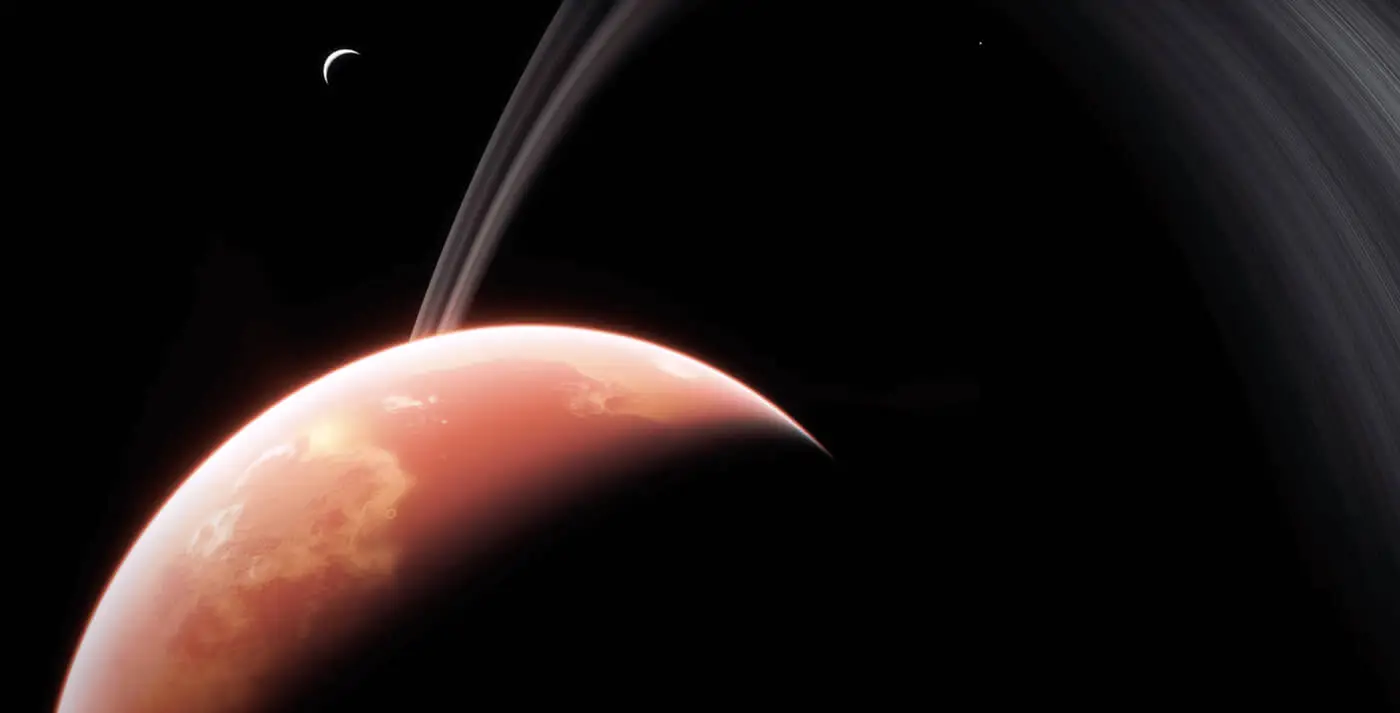
Are we alone in the universe?
In recent years, ETH Zurich has become one of the most renowned centres in the world for researching these matters:the former NASA research head Thomas Zurbuchen has been the Director of ETH Zurich Space since summer 2023.
Play video
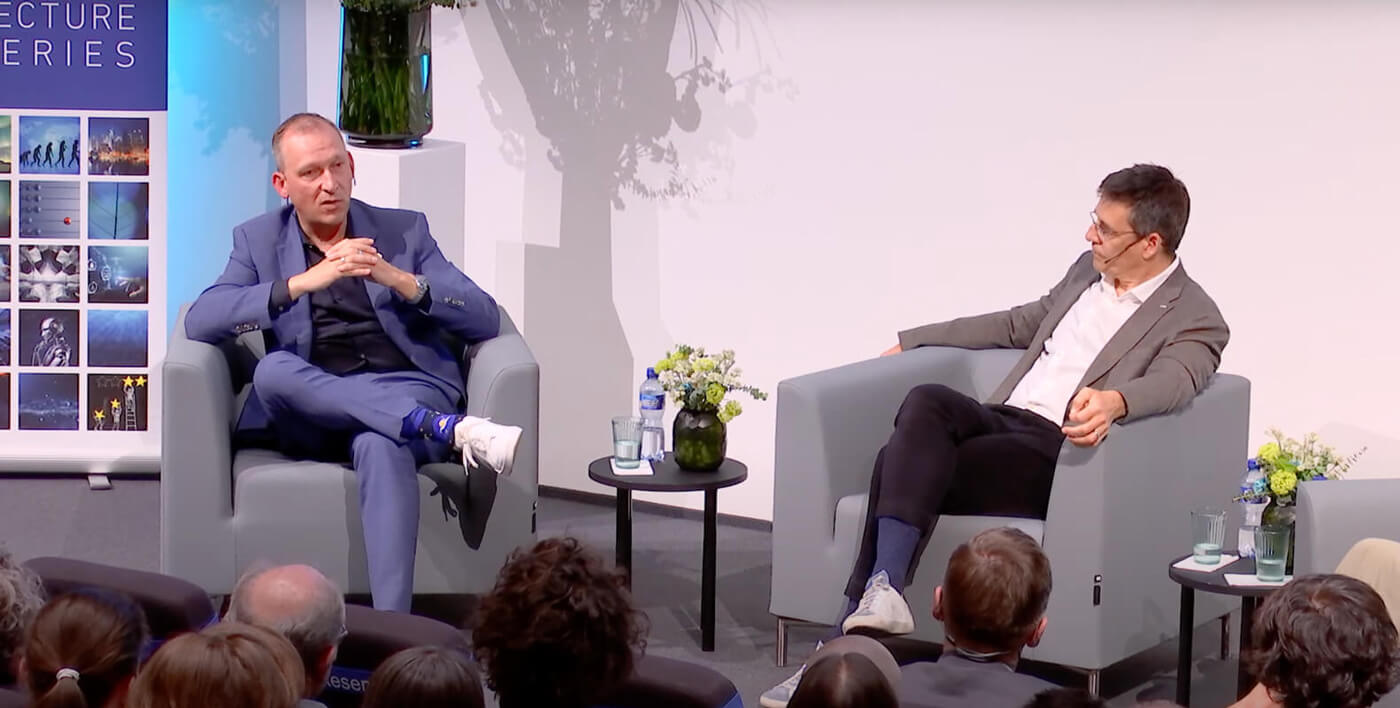
ETH Global Lecture: Life on Earth and Beyond
How did life on Earth begin and proliferate? And is there life beyond our planet? At this ETH Global Lecture, Nobel Prize winner Didier Queloz and former NASA research head Thomas Zurbuchen discuss what is already known about the origin of life on Earth and beyond, what projects are underway at ETH Zurich – and what life itself has taught them.
Play video
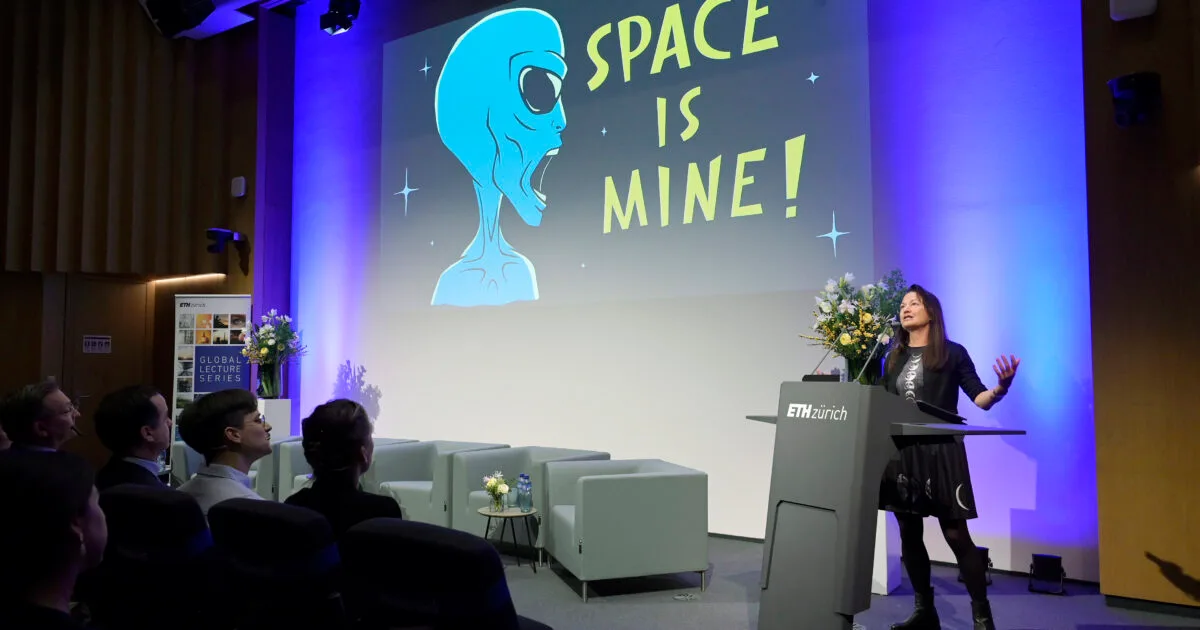
ETH Global Lecture Series: Who Owns the Moon?
Unlike any other time in human history, humanity sits on the threshold of the universe. As the commercial space industry grows in influence and importance, complex legal and ethical questions emerge. Join us as we navigate the intricacies, gaps, and inconsistencies of space law.
Play video

VENUS PROBE DROP: ETH ZURICH SPACE SYSTEMS STUDENTS BUILD AND FLY THEIR FIRST MISSION
02.03.2026 by
Read more
Science Communication
Near Futures — ETH Zürich | Space at photoSCHWEIZ 26
25.02.2026 by
Read more
Space Robotics
MoonWalker: ETH Zurich Launches Lunar Robotics Project Under MARVIS Program
12.02.2026 by
Read more
Swiss Space Industry
Swiss Satellite Manufacturer SWISSto12 Secures Over 100 Million Euros for HummingSat Platform
10.02.2026 by Enea Baumann
Read more
Swiss Space Ecosystem
A strong start to 2026: Zurich’s New Year’s reception highlights the growing space ecosystem
20.01.2026 by Enea Baumann
Read more
Solar Science
Longest observation of an active solar region
10.01.2026 by Enea Baumann
Read more
Exoplanets
Didier Queloz: The discovery that rewrote our view of other worlds
10.10.2025 by
Read more
Spin-offs & Entrepreneurship
From Mars seismology to safer bridges: ETH spin-off Mondaic brings “space tech” to infrastructure checks
30.09.2025 by Enea Baumann
Read more
Exoplanets
Exoplanets are (probably) not water worlds
19.09.2025 by Enea Baumann
Read more

ETH Zurich | Space Annual Event 2025
10.09.2025 by Enea Baumann
Read more

ETH Pioneer Fellowship
13.08.2025 by Mariasole Agazzi
Read more
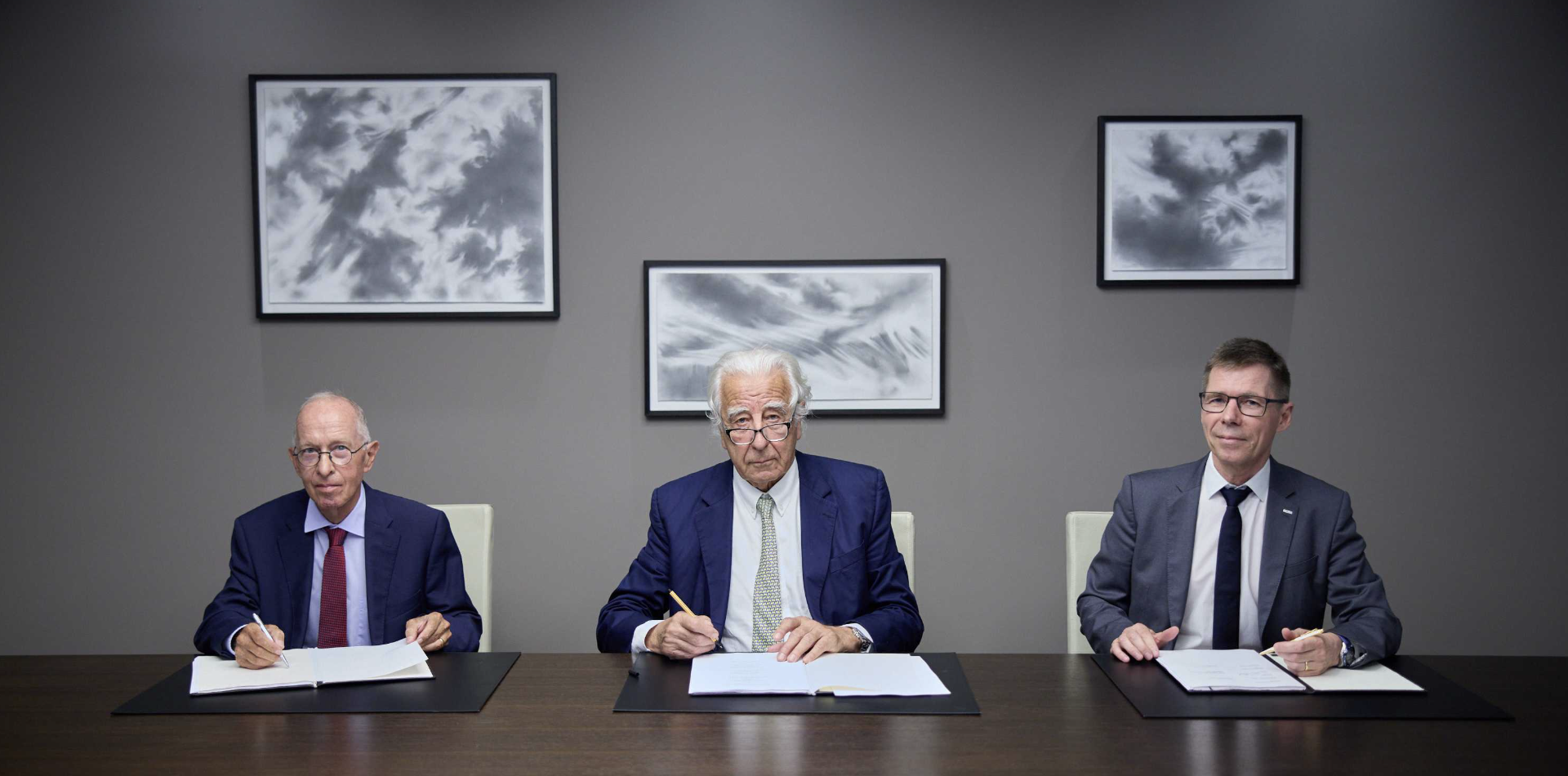
ETH Zurich receives 100 million Swiss francs from Bucherer-Foundation
08.07.2025 by Mariasole Agazzi
Read more
Prestigious Award for ETH Zurich | Space director Thomas Zurbuchen
30.06.2025 by Mariasole Agazzi
Read more
News
ETH Zurich and ESA: 50 years of collaboration
16.06.2025 by Mariasole Agazzi
Read more
News
ESA opens first Innovation Centre in Switzerland — with ETH at the forefront
16.06.2025 by Mariasole Agazzi
Read more
News
Celebrating milestones — and shaping what is next for space in Switzerland and Europe
16.06.2025 by Mariasole Agazzi
Read more
News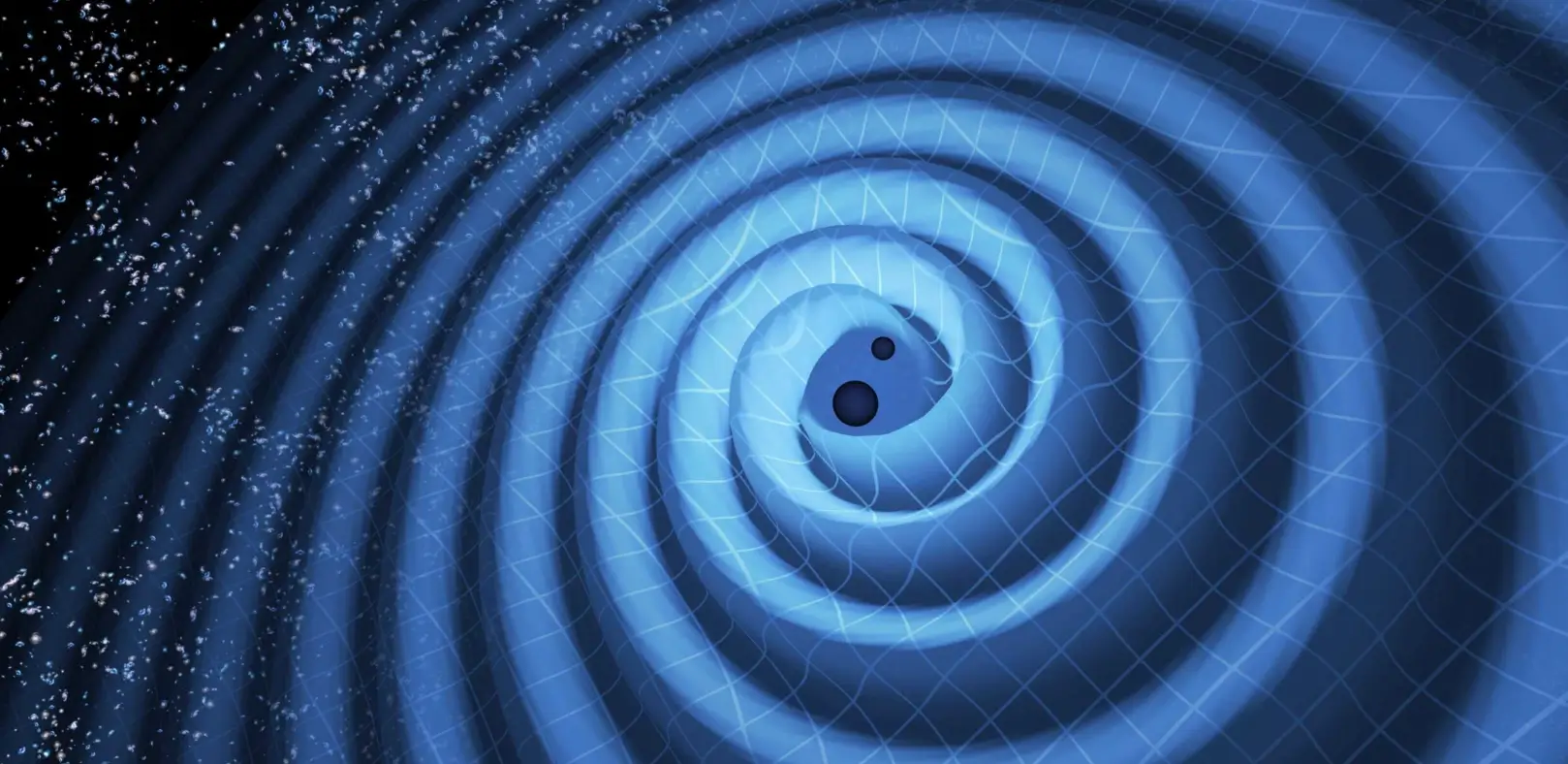
Gravitational-wave astronomy at ETH Zürich
12.05.2025 by Gaia Donati
Read more
Shaping the future of space — from the heart of Europe
10.04.2025 by Nicole Kretschmer, editor-in-chief of the DGLR members' magazine
Read more
News
From ETH Zürich to the edge of space — and beyond!
07.04.2025 by Innovation Park Zurich
Read more
Astronomy & Research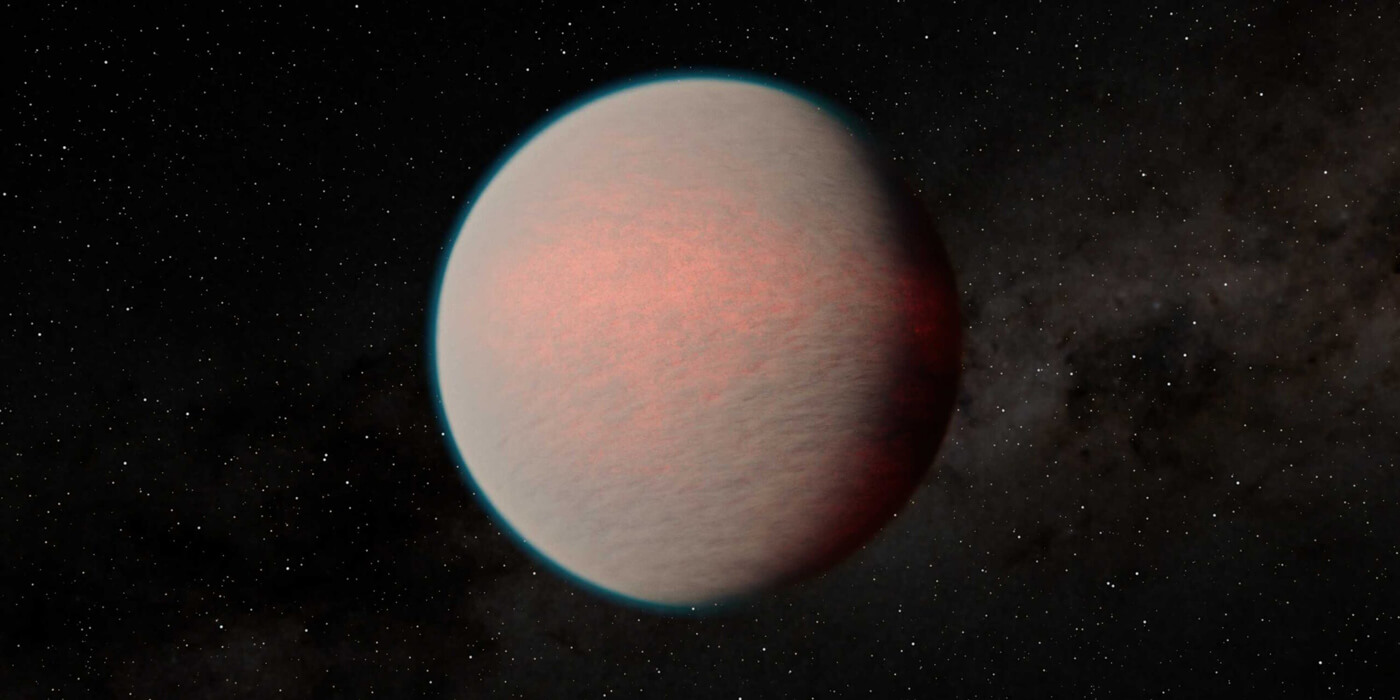
Planets contain more water than thought
04.02.2025 by Barbara Vonarburg, freelance author
Read more

Green Light for LISA
25.01.2025 by Editorial Team
Read more
Earth and Planetary Sciences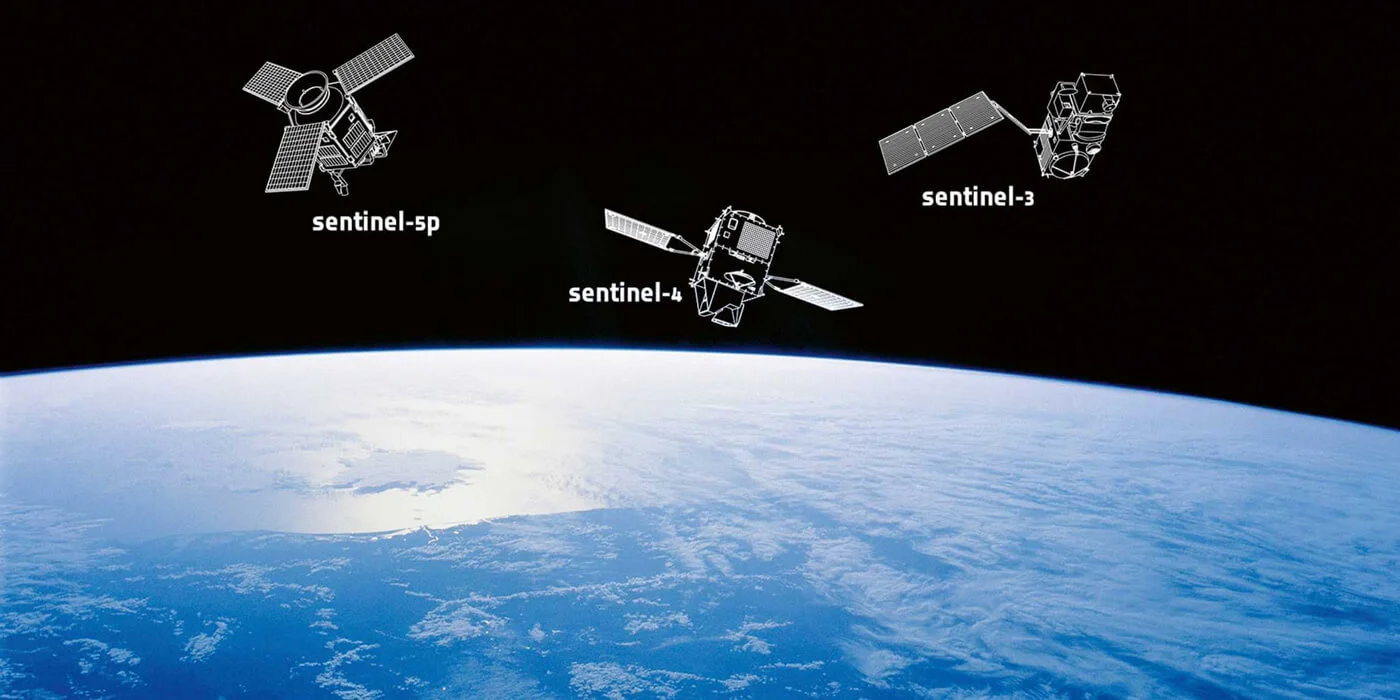
The view from space – and what it tells us
06.01.2025 by Barbara Vonarburg, freelance author
Read more
Space Research
Why we need space exploration
17.12.2024 by Christoph Elhardt and Karin Köchle, Corporate Communications
Read more
Space Research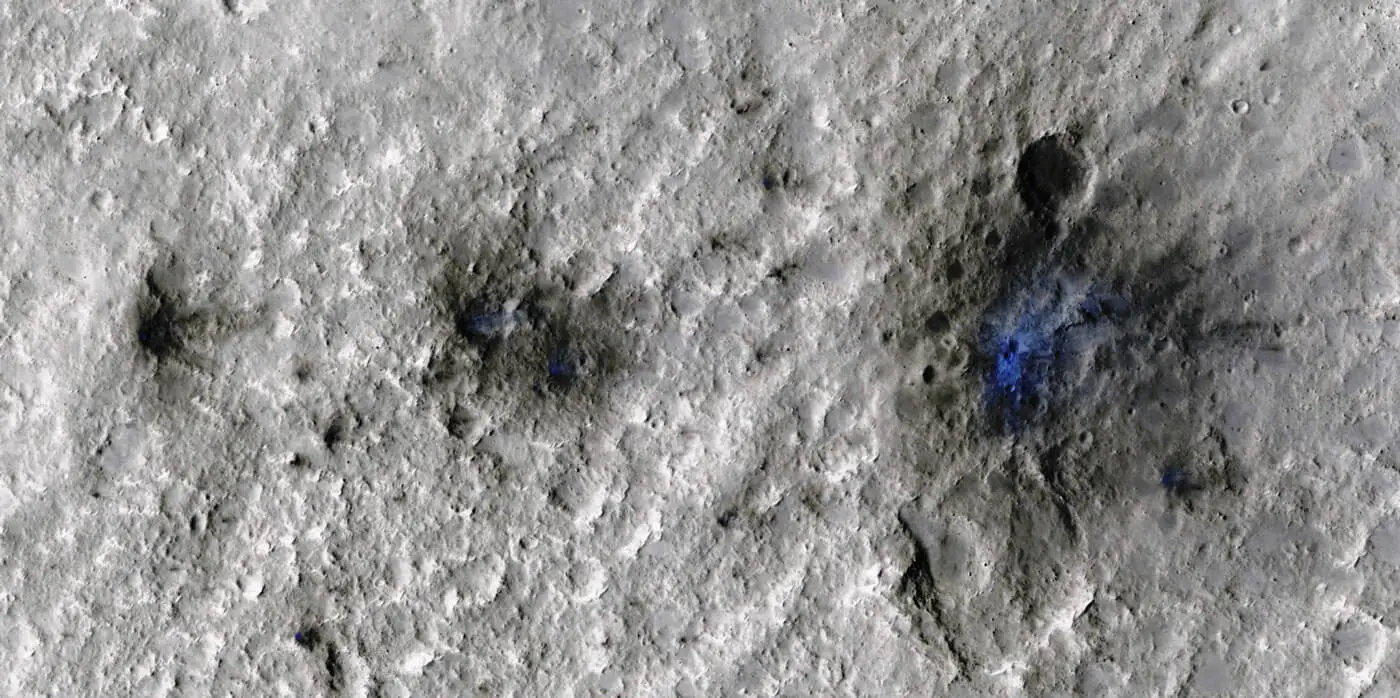
The quest to explore space
17.12.2024 by Michael Keller, Corporate Communications
Read more
Innovation & Industry
Inspired by space: Getting smart ideas off the ground
17.12.2024 by Corinne Johannssen, Corporate Communications
Read more
Space Research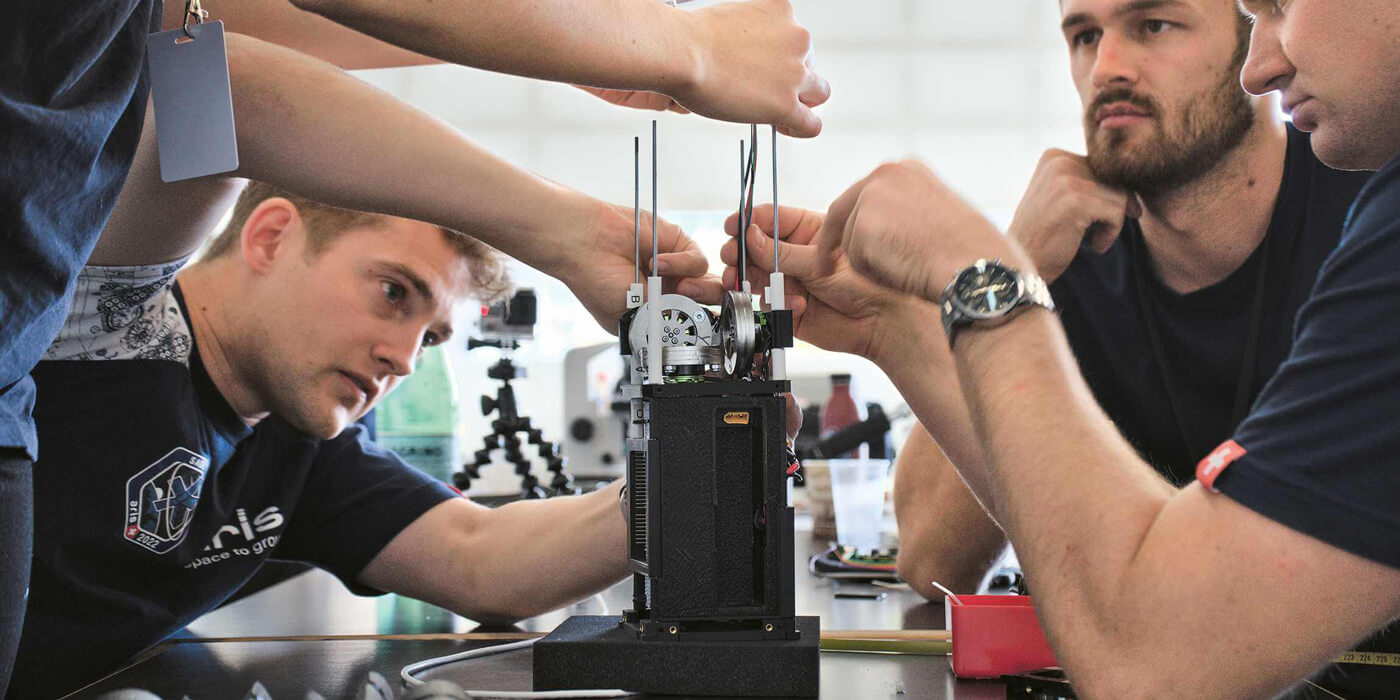
Launch of space systems degree programme
17.12.2024 by Peter Rüegg, Corporate Communications
Read more
Events
ETH Global Lecture Series: Who Owns the Moon?
07.10.2024 by Community & Outreach
Read more
Society & Institution
From Earth to distant worlds: ETH department is now called Earth and Planetary Sciences
05.08.2024 by Peter Rüegg. Corporate Communications
Read more
Research
Learning About Extraterrestrial Life Detection at NASA JPL
11.07.2024 by
Read more
New class of Mars quakes reveals daily meteorite strikes
28.06.2024 by Marianne Lucien
Read more
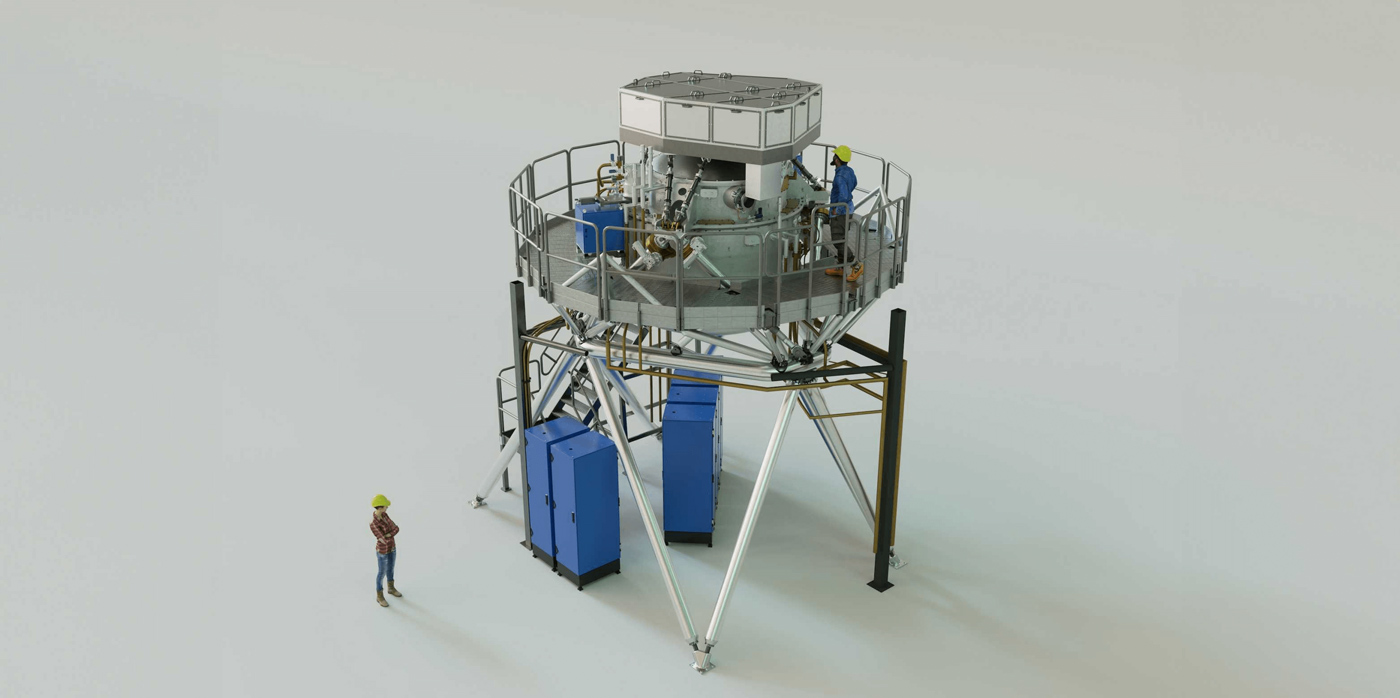
Final design of ELT’s METIS instrument completed
16.05.2024 by Anna Carmen Radi
Read more
Research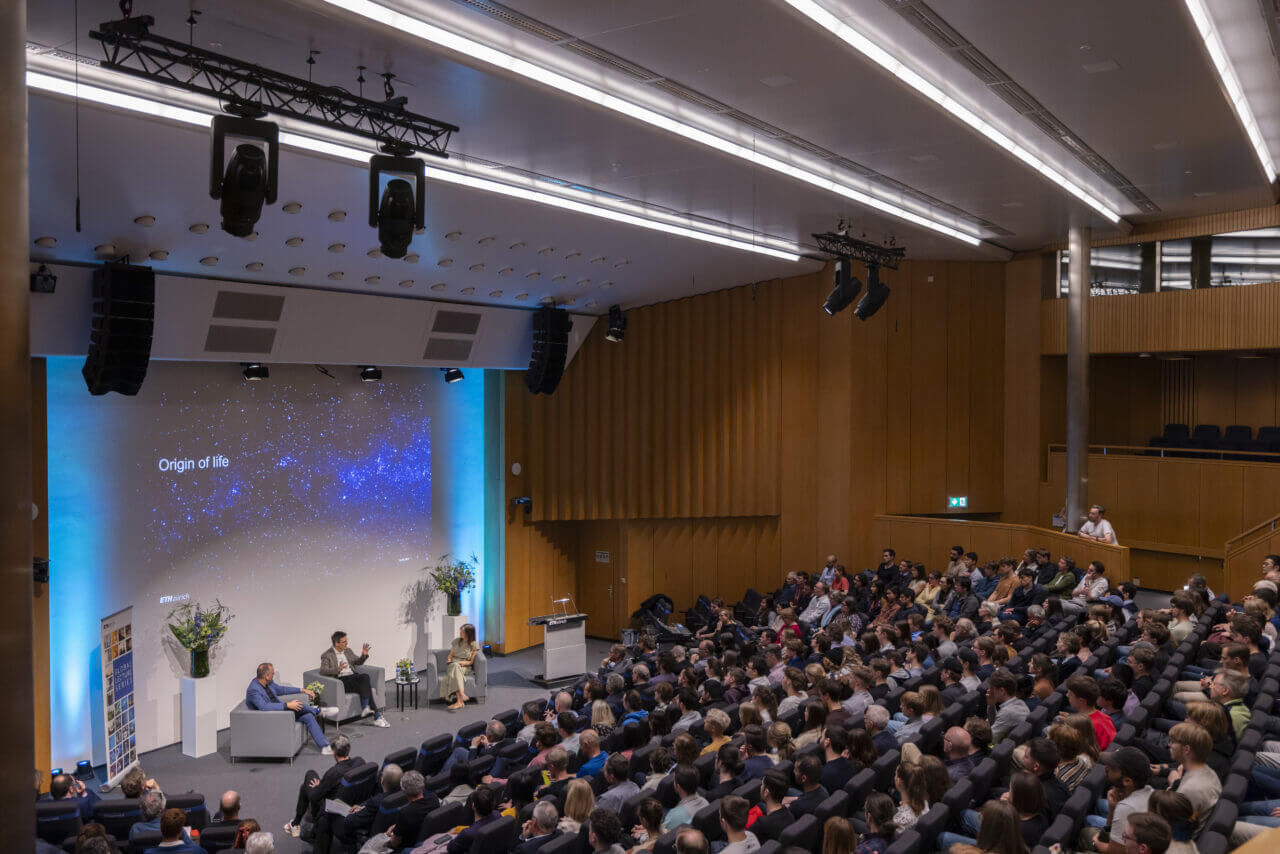
Life on Earth and Beyond
30.04.2024 by
Read more
Earth as a test object
26.02.2024 by Corinne Landolt and Gaia Donati
Read more
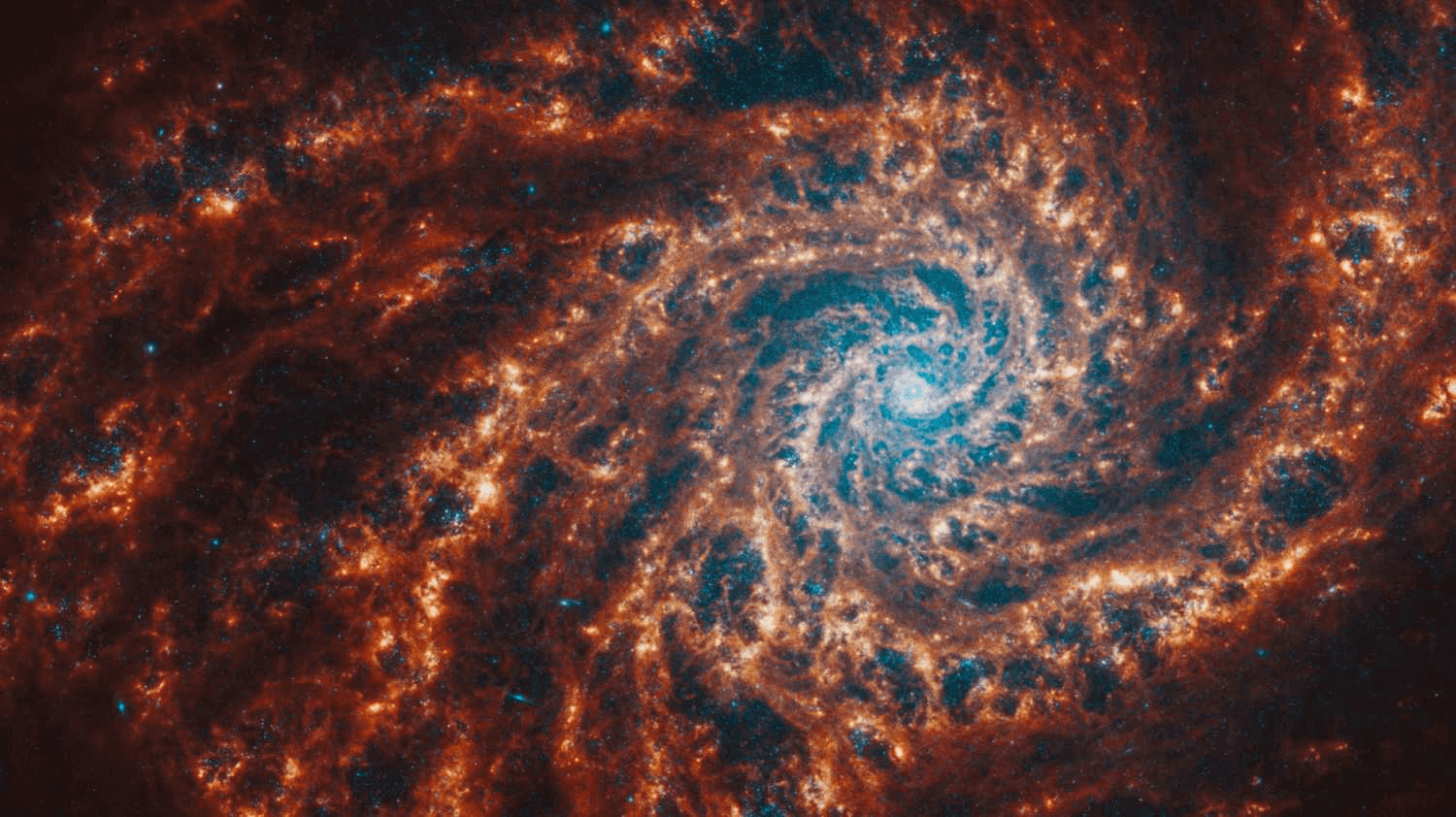
New Master’s in Space Systems to be launched in September
07.02.2024 by Michael Walther
Read more
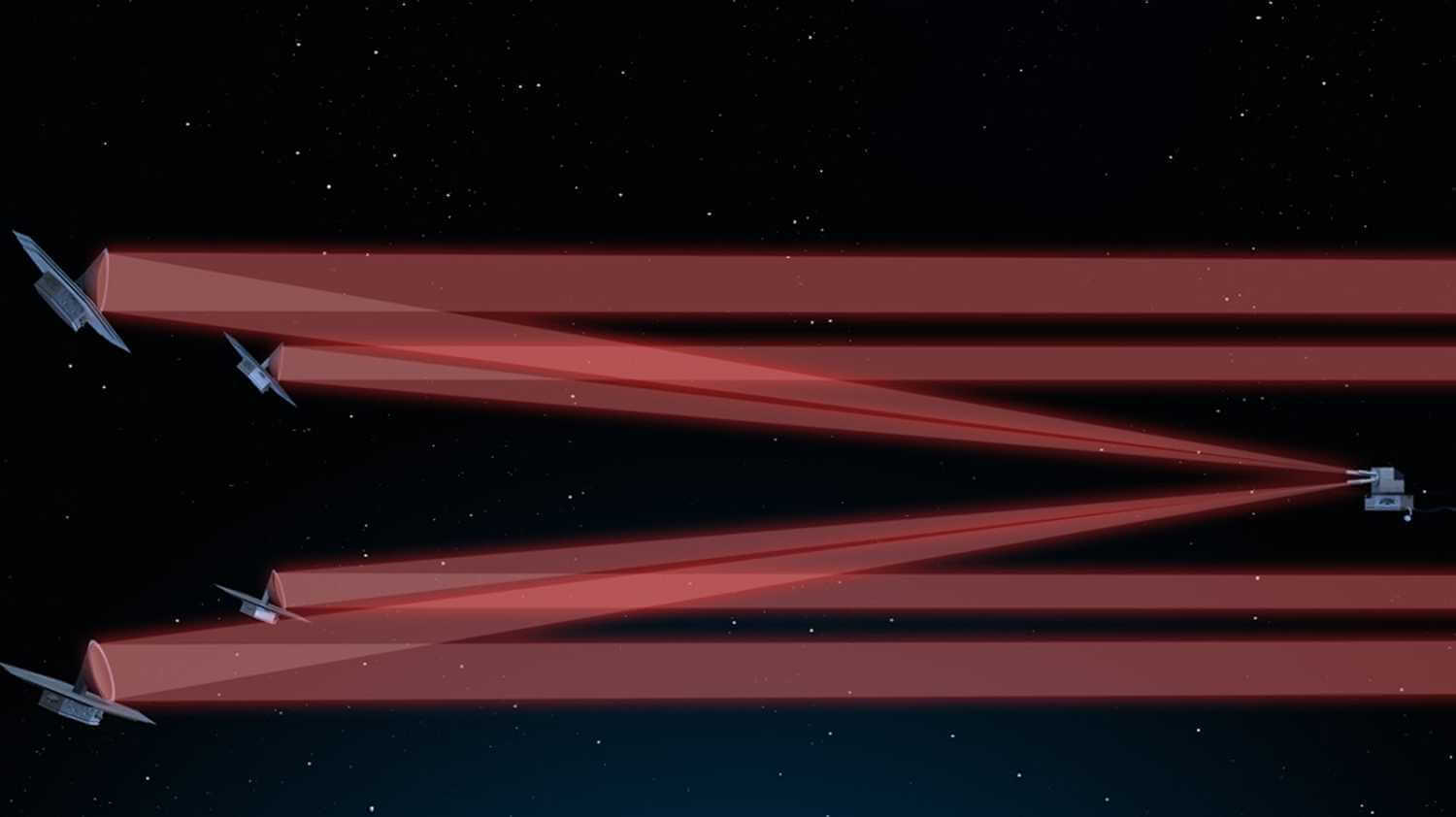
A key experiment for the LIFE space mission
14.04.2023 by Felix Würsten
Read more
See all the news
From Demonstration to Infrastructure: The New Space Economy in 2026 and the Road to $1 Trillion
03.02.2026 by
Read more
Event
Makenzie Lystrup – The Roman Space Telescope
21.10.2025 by
Read more
Events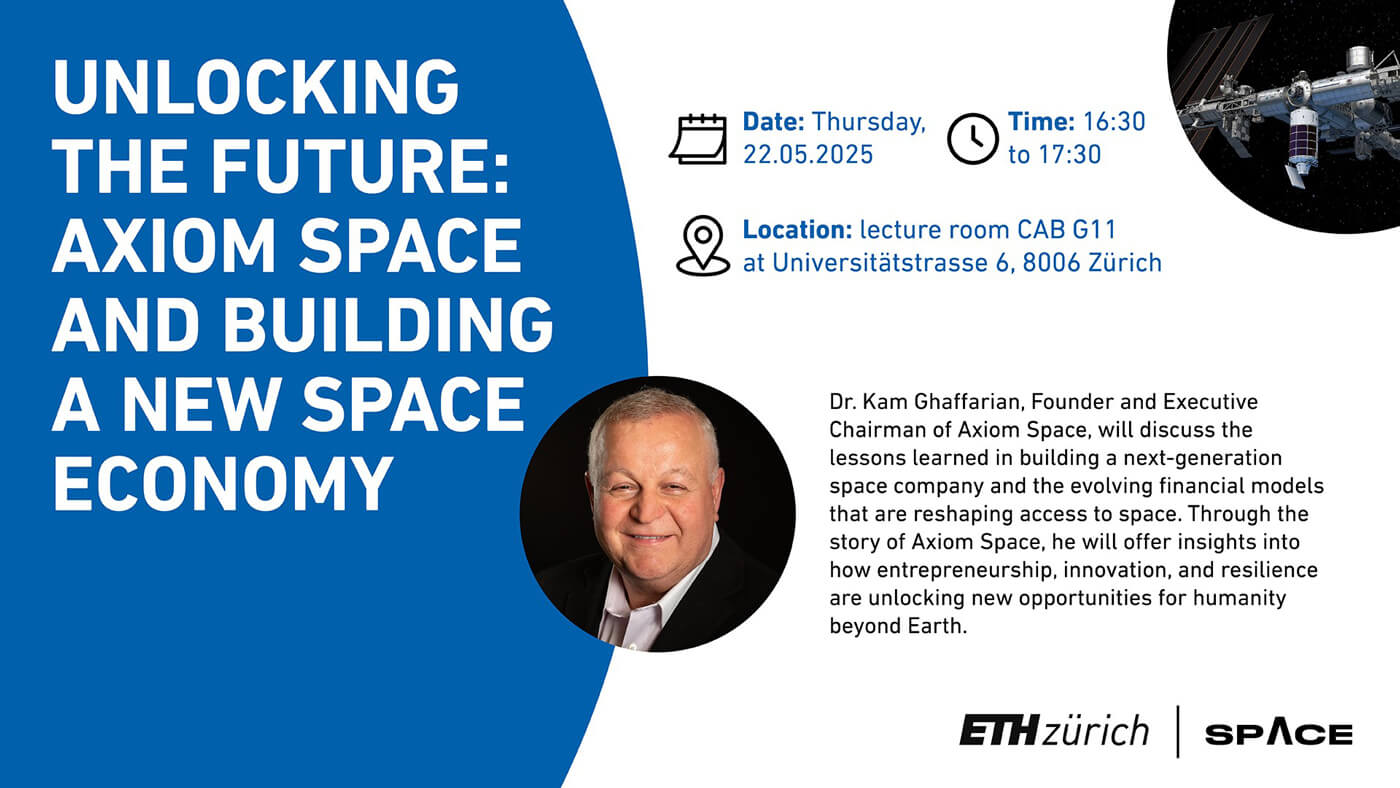
Event – Unlocking the future of space
12.05.2025 by ETH Zurich | Space
Read more
Events
Event – 50th anniversary of ESA
12.05.2025 by Space Exchange Switzerland
Read more
See all Events